
Why Los Chacayes Produces Some of the Most Exciting Wine in the World
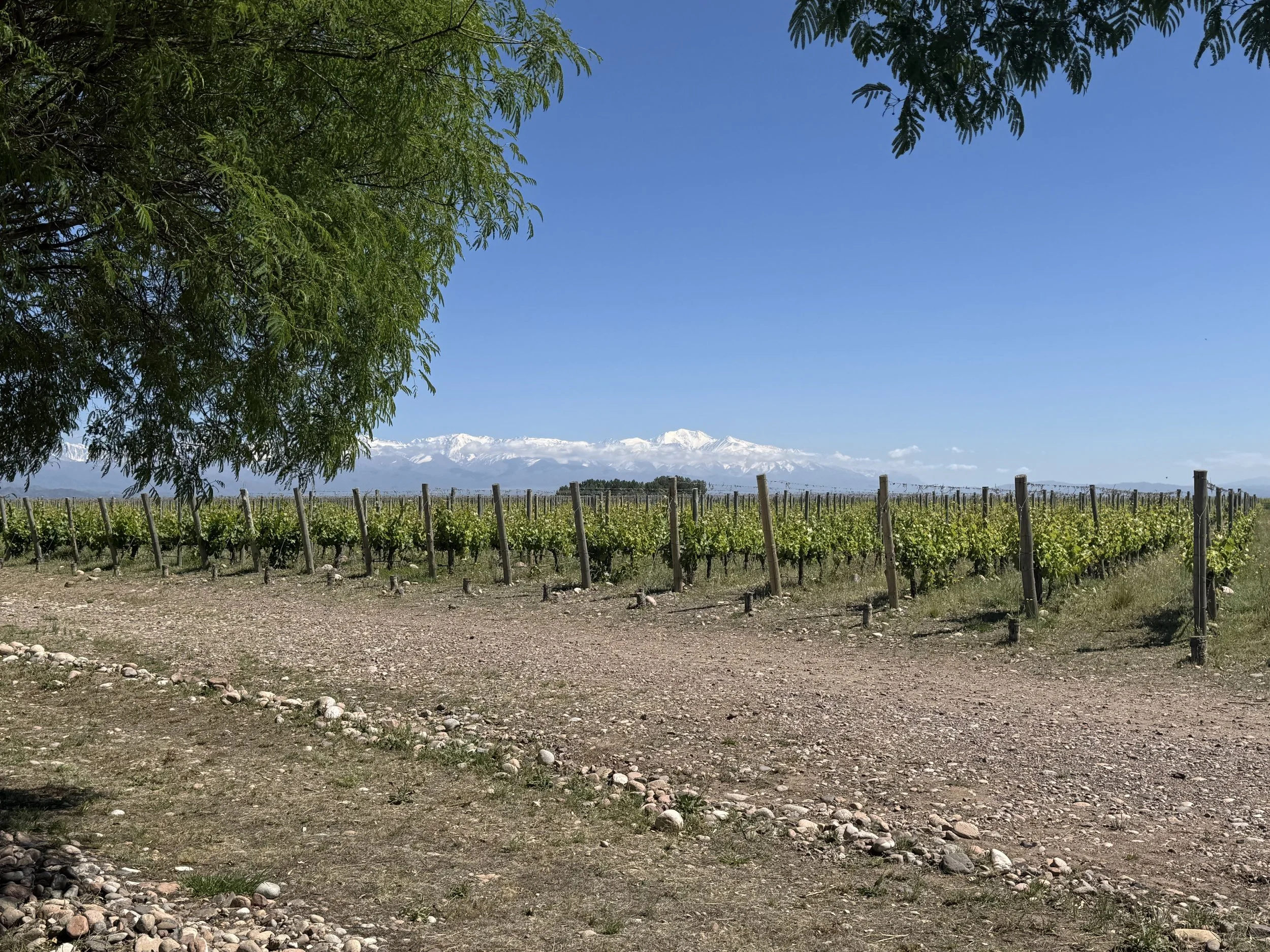
There’s a moment every spring in the Uco Valley when the vines wake up.
After months of winter dormancy, tiny buds swell and unfurl almost overnight, transforming bare rows into a living sea of green. Sometimes as much as an inch a day. And just like that, another vintage has begun.
At Tamarelli, we call it budbreak, and it’s the first sign of everything to come. Because long before the wine reaches your glass, before the harvest or the barrel or the bottle, there is this: a bud no larger than a fingernail, pushing into the Mendoza sun, starting the slow work of becoming something worth waiting for.
What it becomes depends almost entirely on where it grows.
What Is Los Chacayes?
Los Chacayes sits in the Tunuyán district of the Uco Valley, tucked into the foothills of the Andes in central Mendoza. A relatively new Indicación Geográfica, formally recognized as a producers’ association in 2019, it’s an appellation still introducing itself to the world, which is part of what makes it so exciting to be rooted here.
The name has indigenous origins. One theory traces it to el chacay, a native shrub that grows along the region’s slopes and streams, its slightly citrus fruit once part of the diet of the Huarpes people who called this valley home. Another holds that chacayes was what the Huarpes Micayac called the foxes still found here today. Either way, the land carries history that long predates wine.
The zone was pioneered in 1996 by French winemaker François Lurton, who arrived to find stones, desert scrub, and cactus. Not exactly a promising canvas. He brought his father to see it, a man who knew Bordeaux terroir the way most people know their own neighborhood. His father looked at the barren landscape and said: “This place is wonderful. Buy as much as you can.”
They did. Today, Los Chacayes spans over 1,800 hectares under vine, with producers from across Argentina and Europe setting down roots in a region that’s rewriting what Mendoza wine can be.
Why Altitude Changes Everything
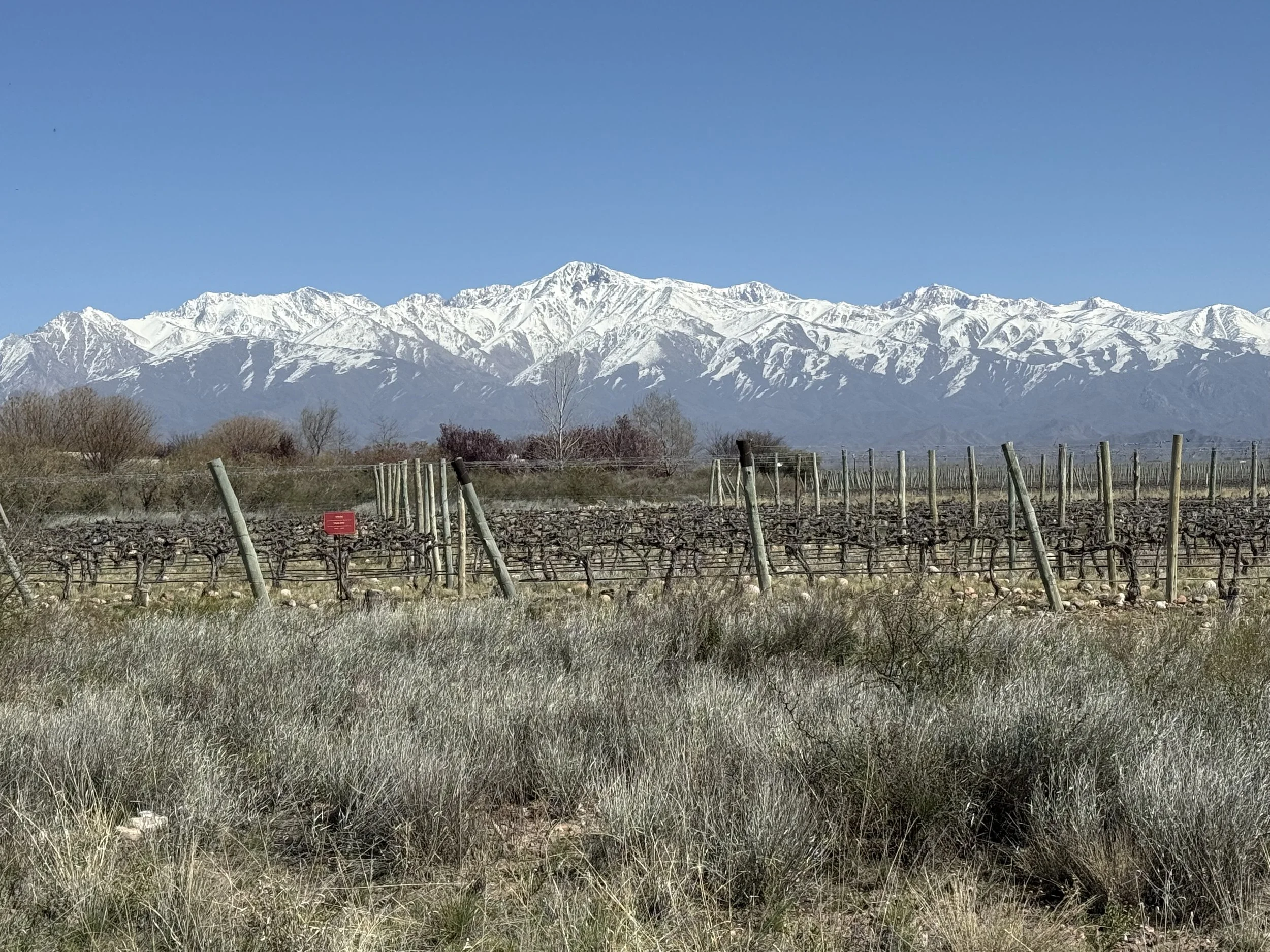
The vineyards of Los Chacayes sit between 1,100 and 1,500 meters above sea level — roughly 3,600 to 4,900 feet — and that elevation is woven into every aspect of what the wines taste like.
At altitude, the growing season stretches out. Cooler temperatures mean the grapes ripen slowly, building complexity rather than racing toward sugar. The dramatic swing between warm, sun-drenched days and cool mountain nights — what winemakers call diurnal temperature variation — keeps natural acidity intact, which is why these wines age well and finish clean. The thinner atmosphere at altitude also means more UV exposure, which drives deeper color, firmer tannins, and more concentrated fruit.
Then there’s the soil. The alluvial, stony terrain of Los Chacayes is notoriously low in fertility. Vines struggle. They push roots deeper than they otherwise would, working for every bit of moisture and nutrient they find. Low-yielding vines produce smaller berries, and those berries carry more flavor per square inch than anything grown in richer ground. It shows in the glass. Every time.
Malbec: The Grape That Found Its True Home
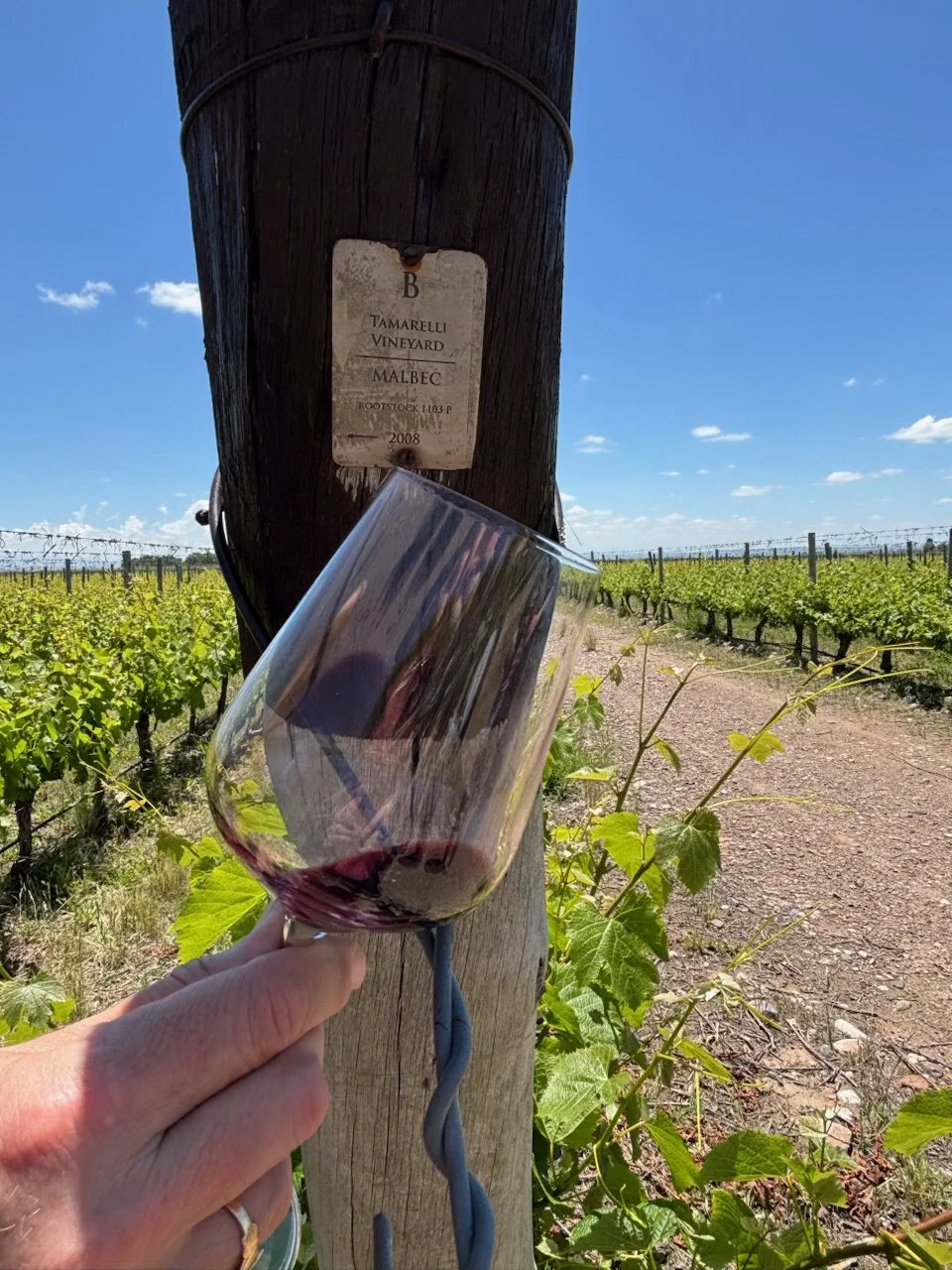
Malbec originated in France, where it goes by Côt in the Cahors region, but Mendoza is where it became itself. And within Mendoza, Los Chacayes gives it something different.
Where some Mendoza Malbecs are lush and immediately approachable — plum-forward, velvety, easy drinking — Los Chacayes Malbec is structured and precise, with bright red fruit aromas, vibrant acidity, and firm but fine-grained tannins. There’s a mineral backbone here that you don’t find at lower elevations. A tension. It makes the wine worth sitting with, and worth cellaring.
Malbec is also not the whole story. Los Chacayes has quietly become one of Argentina’s most compelling zones for Mediterranean varieties — Grenache, Mourvèdre, Marsanne, Roussanne — that thrive in exactly this kind of mountain desert climate. The stony soils, the heat, the dramatic temperature swings: it’s a close mirror of the Southern Rhône Valley, and producers are starting to make wines here that would hold their own anywhere in the world.
Why We’re Here
We’re proud to be rooted in Los Chacayes. Not just as a geographical fact, but as a choice. One we’d make again. This is the region that challenges us, that shapes the character of every wine we make, that keeps the work interesting.
Every spring, when the vines break dormancy and the first green shoots appear, that’s our reminder of why. The vintage starts with a bud. The bud becomes fruit. The fruit becomes the bottle you eventually open on a night that deserves something good.
We’re excited to share this year’s start with you.
Explore Tamarelli’s Malbec and taste what Los Chacayes delivers.